
Decoding IELTS: Academic vs. General Training – Choosing the Right Path
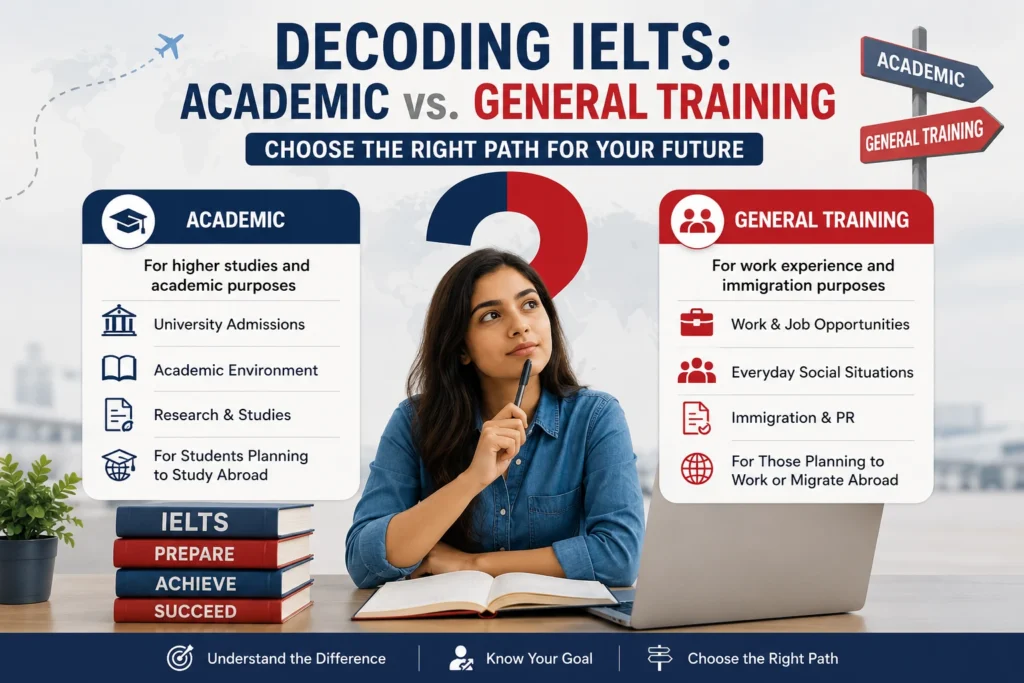
Decoding IELTS: Academic vs. General Training – Choosing the Right Path Decoding IELTS: Academic vs. General Training – Choosing the Right Path The International English Language Testing System (IELTS) is a globally recognised exam designed to assess English language proficiency for academic and general purposes. One of the critical decisions test-takers must make is whether to opt for the Academic or General Training module. Here, we will help you explore the key differences between IELTS Academic and General Training and guide you through making the right choice based on your goals and aspirations. IELTS Academic: Opening Doors to Education Designed for Academic Pursuits: The IELTS Academic module is specifically tailored for individuals planning to pursue higher education or professional registration in an English-speaking environment. It assesses your ability to understand and use complex academic language. Reading and Writing Emphasis: The Academic module places a higher emphasis on reading and writing skills. Test-takers are required to analyze and understand academic texts, write essays, and demonstrate a strong command of academic vocabulary. Suitable for University Admission: If your goal is to study at a university, the IELTS Academic module is the appropriate choice. It aligns closely with the language demands of academic institutions. IELTS General Training: A Practical Approach to Daily Life Focused on Everyday Communication: The General Training module is designed for those seeking to migrate to an English-speaking country for work, training, or general living purposes. It evaluates your ability to communicate effectively in common social and workplace situations. Emphasis on Everyday English: Unlike the Academic module, General Training assesses practical language skills required for daily life. This includes tasks such as letter writing, understanding workplace documents, and engaging in conversations about familiar topics. Employment and Migration: If your goal is to obtain a work visa, immigrate, or participate in training programmes in an English-speaking country, the IELTS General Training module is the most suitable option. It addresses the language skills needed for success in these contexts. How to Choose the Right Module Determine Your Purpose: Consider your goals. If you aim to pursue higher education, choose the Academic module. If your plans involve work, immigration, or training, opt for General Training. Review Entry Requirements: Check the specific language requirements of the institution or organization to which you are applying. Different institutions may have different preferences. Understand Test Components: Familiarize yourself with the components of each module. If you are comfortable with academic reading and writing tasks, Academic may be a better fit. If you prefer practical, everyday language tasks, General Training might suit you better. Seek Guidance if uncertain: If you are uncertain about which module to choose, seek guidance from educational counsellors, language professionals, or IELTS preparation experts. Choosing between IELTS Academic and General Training is a pivotal step on your language proficiency journey. By understanding the specific requirements of each module and aligning them with your goals, you can embark on the IELTS preparation process with confidence. Whether your path leads you to academic pursuits or everyday practicality, IELTS offers a tailored approach to help you achieve your objectives in the English-speaking world. To prepare for the test in the best way possible, connect with Focus Education Global Pvt. Ltd. and get the FREE live demo. If you are looking forward to starting your Study Abroad Journey Without IELTS then come and visit us at Focus Education.
The Importance of Grammar in IELTS Writing
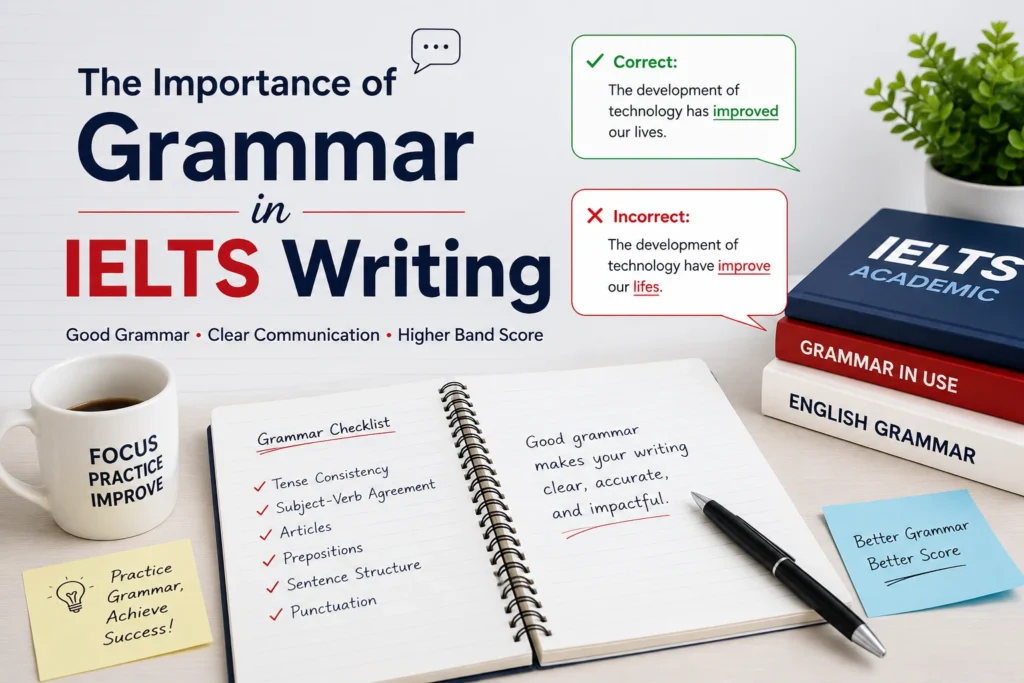
The Importance of Grammar in IELTS Writing The Importance of Grammar in IELTS Writing In the realm of English language proficiency exams, the International English Language Testing System (IELTS) holds significant importance for individuals aspiring to study, work, or migrate to English-speaking countries. Among its various components, the writing section stands out as a critical element of one’s language competence. Within this domain, grammar plays a pivotal role, serving as a cornerstone for effective communication and expression. Let’s delve deeper into why mastering Grammar is important for success in IELTS writing. 1. Clarity and Precision Grammar ensures that your writing is clear, coherent, and precise. Proper grammatical structures enable you to convey your ideas accurately, leaving no room for ambiguity or misunderstanding. In the context of IELTS writing, where candidates are assessed on their ability to communicate complex thoughts and arguments, clarity becomes paramount. A well-structured sentence with correct grammar enhances readability and comprehension, boosting your overall score. 2. Conveying Meaning Accurately In IELTS writing tasks, candidates are expected to articulate their viewpoints, analyse data, and present arguments cogently. Here, grammar acts as a tool to express your thoughts accurately. Whether you’re discussing trends in a graph, presenting advantages and disadvantages, or expressing opinions in an essay, grammatical accuracy ensures that your intended meaning is conveyed precisely. Misplaced modifiers, subject-verb agreement errors, or faulty sentence structures can distort your message, potentially leading to a lower band score. 3. Demonstrating Language Proficiency IELTS assesses candidates across four language skills: listening, reading, writing, and speaking. In the writing section, grammatical accuracy serves as a direct indicator of your proficiency in English. Examiners evaluate your ability to use a wide range of grammatical structures appropriately, including complex sentences, conjunctions, clauses, and punctuation. By demonstrating mastery over grammar, you exhibit your linguistic competence and readiness to engage effectively in academic or professional settings. 4. Enhancing Cohesion and Coherence Effective writing is characterized by cohesion and coherence, wherein ideas are logically connected and flow seamlessly from one point to another. Grammar contributes significantly to achieving this coherence by providing the structural framework for organizing your thoughts. Proper use of conjunctions, transitional phrases, and cohesive devices strengthens the logical flow of your writing, creating a cohesive narrative that captivates the reader. In IELTS writing tasks, coherence is evaluated alongside grammar, underscoring its importance in achieving a high band score. 5. Creating a Positive Impression Beyond mere language proficiency, grammar reflects your attention to detail and commitment to excellence. Adhering to grammatical conventions demonstrates your dedication to effective communication and respect for the language. In the competitive landscape of IELTS, where candidates compete for top scores to fulfil their academic or immigration goals, impeccable grammar can set you apart from the crowd. It showcases your writing skill and leaves a lasting impression on the examiner, potentially tipping the scales in your favour. In conclusion, grammar serves as the bedrock of success in IELTS writing, permeating every aspect of your linguistic performance. By mastering grammar, you not only enhance the clarity, accuracy, and coherence of your writing but also demonstrate your language proficiency and professionalism. As you embark on your IELTS preparation journey, prioritize grammar alongside other skills, recognizing its pivotal role in shaping your success. Remember, in the world of IELTS, proficiency in grammar is not just a requirement—it’s a passport to achieving your aspirations. In addition to recognizing the supreme Importance of Grammar in your IELTS Journey, consider visiting Focus Education to further hone your language skills. Our dedicated team offers comprehensive resources and personalized guidance to help you excel in all aspects of the IELTS exam. From grammar workshops to practice tests and expert feedback, we are committed to empowering you to achieve your desired band score. Join us at Focus Education to unlock your full potential for success in IELTS. Take advantage of our FREE IELTS DEMO.
5 Individuals – Play Major Role In Shaping Our Study Abroad Journey
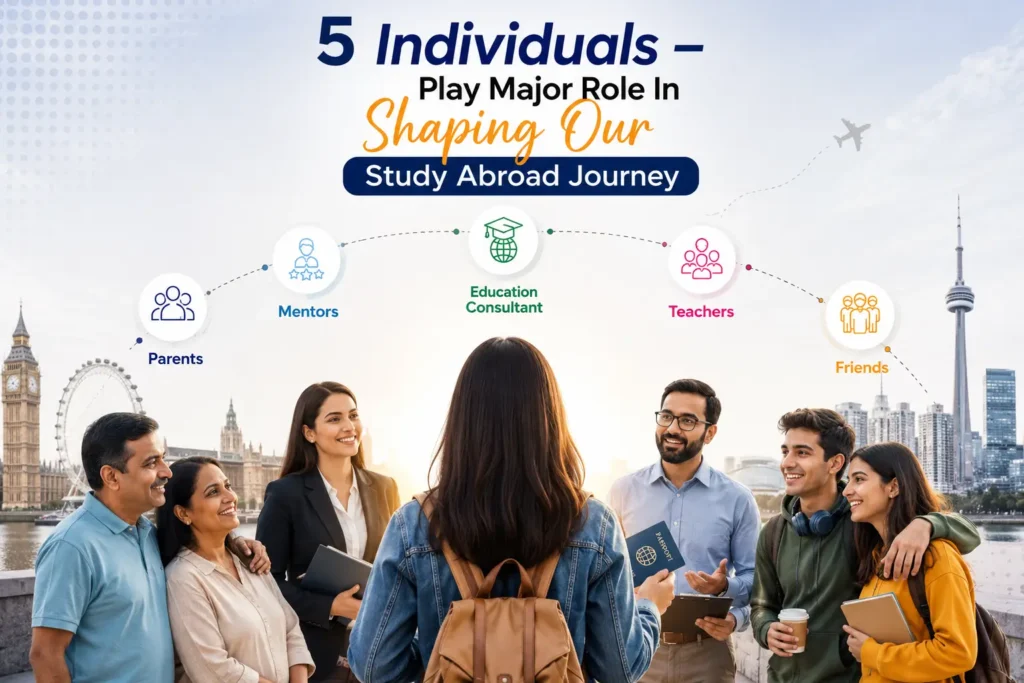
5 Individuals – Play Major Role In Shaping Our Study Abroad Journey 5 Individuals- Play Major Role in Shaping Our Study Abroad Journey As you venture into your Study Abroad Journey, the richness of your experience will not solely be defined by the places you visit and the courses that you enroll in. It’s the individuals you encounter along the way who have the power to profoundly influence your adventure. From your professors to your roommates, let’s explore the five key individuals that are likely to shape your international student experience. 1. Your Academic Navigator- Professor A professor is one who serves more than just an academic instructor as they are your academic navigator in your study abroad journey. They act as a gateway to your chosen field of studies holding a vast reservoir of knowledge, resources, and industry connections pivotal in molding your academic path. Positive: A skilled lecturer possesses the remarkable ability to streamline complex ideas into intellectual curiosity in the process. Beyond their role as educators, they offer invaluable guidance drawn from their career paths and insights into the field. This fusion of academic knowledge and practical wisdom makes the tie with your lecturer a pivotal aspect of your study abroad journey. Negative: Encountering less engaged lecturers can pose challenges as their teaching methodologies may lack clarity, leaving the students grappling with complex material independently. However, these experiences while daunting serve as an opportunity for personal growth. They foster resilience and self-resilience, encouraging students to explore alternative learning avenues such as self-study, online resources, or collaborative study groups with peers. Tip: You should cultivate a positive relationship with your lecturers by actively participating in class discussions and seeking assistance when needed. Your engagement not only enhances your learning experience but also strengthens your connection with your academic mentors, enriching your study abroad journey. 2. Your Home Base Manager – Landlord A landlord is not only a rent collector but he serves as the primary overseer of your overseas living experience. Their responsibilities extend beyond leasing you a space to ensuring that your home abroad is secure, pleasant, and properly maintained. Positive: A reliable landlord prioritizes the well-being of their tenants and understands the significance of fostering a comfortable living environment. By promptly resolving issues, they instill a sense of security and comfort allowing you to focus on your academic pursuits and fully immerse yourself in your overseas experience. The assurance of having a responsive and caring landlord lends a sense of stability, enabling you to make the most of your time abroad. Negative: On the other hand, if you come across neglectful landlords, it can tarnish your experience of living. Minor issues left unattended can escalate, disrupting your daily life and detracting from your overall enjoyment of your stay. Additionally, excessively strict rules can breed tension and discomfort, hindering your ability to fully engage in your study abroad journey. Tip: When selecting accommodation abroad, thorough research is essential to avoid unpleasant surprises. Reading reviews, inspecting a property, and ensuring the landlord’s reliability and responsiveness can help ease potential challenges and ensure a more positive living experience during your time abroad. 3. Your Home Away From Home Buddy – Roommate A roommate serves as an essential component of living arrangements during your study abroad adventure. They are more than just housemates but they become your companion in navigating the challenges and joys of living abroad. Positive: A harmonious roommate dynamic can elevate your study abroad experience, turning your living space into a peaceful retreat from the hustle and bustle of campus life. Beyond the practicalities, a supportive roommate can become a pillar of emotional strength during the highs and lows of living in a foreign country. Their presence offers a familiar anchor in unfamiliar surroundings offering companionship and understanding to an ongoing perpetual sleepover. Negative: Conversely, an incompatible roommate can introduce stress and tension into your living situation. Divergent schedules, noise levels, cleanliness standards, and lifestyle preferences may breed conflicts that disrupt your peace of mind. Ignoring issues or allowing rage to build up can escalate the situation and potentially negatively impact your well-being and academic performance. Tip: Before moving in together, engage in candid discussions about each other’s expectations regarding privacy, cleanliness, noise levels, and other potential sources of discord as initiating these conversations can help to establish mutual understanding and prevent future conflicts. Moreover, seeking guidance from a residence advisor can offer valuable sights into how to navigate roommate dynamics effectively. 4. Your Peers In Your Journey – Classmate Your classmates serve as integral companions on your academic voyage. Together, you will navigate the particulars of learning, collaborate on assignments, and potentially forge lasting connections within your social sphere abroad. Positive: A world of academic possibilities unfolds when you connect with classmates who share your enthusiasm for learning and collaboration. This cooperative approach not only deepens your understanding of course material but also cultivates supportive learning, potentially driving you toward academic excellence. Besides, building bonds with classmates lays the groundwork for a vibrant social life and enriching overall experience as exploring the host country, sharing cultural experiences, and participating in activities together can foster enduring friendships and ease the transition to a new environment. Negative: On the contrary, disengaged classmates may hinder your academic progress. Their lack of motivation for collaborative learning can hamper the formation of study and your ability to receive academic support. Moreover, an environment characterized by excessive competition can lead to unnecessary stress and pressure that can stunt personal development and inhibit your ability to thrive academically and socially. Tip: Surround yourself with supportive peers who share your values and aspirations. By prioritizing collaboration over competition and fostering a supportive environment, you will be better equipped to navigate the challenges and seize the opportunities that come your way during your time abroad. 5. Get Off On The Right Foot: Educational Counsellor An educational counsellor serves as an essential guide in setting the foundation for your study abroad journey. It’s crucial to
IELTS Exam Day Tips and Strategies
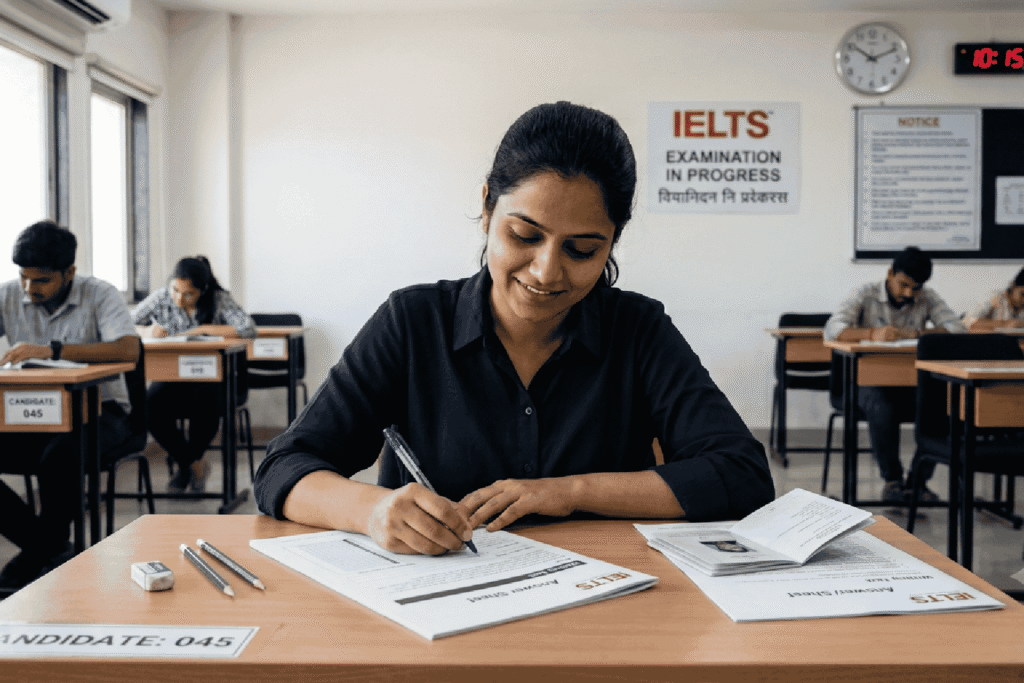
IELTS Exam Day Tips and Strategies IELTS Exam Day Tips and Strategies Preparing for the International English Language Testing System (IELTS) can be a challenging yet rewarding journey. As you gear up for the exam, it’s essential to equip yourself with effective tips and strategies to maximize your performance. Whether you’re aiming for academic or immigration purposes, these tried-and-tested techniques will help you navigate the IELTS with confidence and poise. 1. Understand the Test Format: Familiarize yourself with the format of the IELTS exam, which comprises four sections: Listening, Reading, Writing, and Speaking. Understand the types of questions in each section and the allotted time for completion. This familiarity will help you manage your time effectively during the exam. 2. Practice Regularly: Constant practice is key to success in the IELTS. Dedicate time each day to practice listening, reading, writing, and speaking tasks. Utilize official practice materials and sample tests to simulate exam conditions. Pay attention to your strengths and weaknesses, and tailor your practice sessions accordingly. 3. Improve Your Vocabulary: Expand your vocabulary by reading extensively and actively learning new words. Focus on academic and general vocabulary relevant to the IELTS exam. Practice using these words in context to enhance your language proficiency and writing skills. 4. Develop Listening Skills: Improve your listening skills by frequently listening to English audio materials, such as podcasts, news broadcasts, and academic lectures. Practice listening for main ideas, specific details, and understanding speaker attitudes and opinions. Utilize strategies such as predicting, summarizing, and note-taking during the exam to maximize your comprehension. 5. Enhance Reading Comprehension: Improve your reading comprehension by engaging with a variety of texts, including newspapers, magazines, and academic articles. Practice skimming and scanning techniques to quickly identify key information. Focus on understanding the main ideas, supporting details, and the writer’s purpose and tone. 6. Master Writing Techniques: Develop your writing skills by practising different types of essays, including opinion essays, argumentative essays, and discursive essays. Pay attention to essay structure, coherence, and cohesion. Practice paraphrasing, using varied sentence structures, and providing supporting evidence to strengthen your writing. 7. Hone Speaking Fluency: Enhance your speaking fluency by engaging in regular conversation practice with native speakers or language partners. Practice speaking on a wide range of topics and express your opinions clearly and coherently. Focus on pronunciation, intonation, and fluency to convey your message effectively during the speaking test. 8. Manage Exam Day Stress: On the day of the exam, ensure you get a good night’s sleep and eat a nutritious breakfast. Arrive at the test center early to familiarize yourself with the surroundings and relax before the exam begins. During the test, stay calm and focused, and manage your time effectively to complete each section within the allotted time. Mastering the IELTS exam requires diligent preparation, consistent practice, and effective strategies. By understanding the test format, improving your language skills, and implementing the tips mentioned above, you can confidently approach the exam day and achieve your desired band score. Remember to stay focused, stay positive, and believe in your ability to succeed. Good luck on your IELTS journey. In addition to the comprehensive tips provided above, consider leveraging the resources and expertise offered by FOCUS EDUCATION to further enhance your preparation for the IELTS Exam. Our team is dedicated to supporting you on your journey to success. Experience the difference with our FREE demo, where you can sample our resources and receive personalized feedback to propel your preparation forward. With FOCUS EDUCATION by your side, you can approach the IELTS exam with confidence and clarity, knowing that you have the support you need to succeed. Start your journey with us today and unlock your full potential for success.
Charting Your Course: The Significance of Research in Study aboard Planning

Charting Your Course: The Significance of Research in Study aboard Planning Chartting Your Course: The Significance of Research in Study aboard Planning Education serves as the gateway to the future, as tomorrow belongs to those who invest in their preparation today which is the custom of learning. Indeed, education forms the foundation upon which individuals can build their paths to success and achievement in the modern world. In the era where academic disciplines continue to expand; universities offer increasingly specialized subjects, the opportunities for securing a prosperous future through education have now been multiplied. The educational landscape has become a revolutionized innovation, particularly in the land of higher education, prompting a growing number of Indian students to seek overseas opportunities to enhance their knowledge and skills for the benefit of their native land’s advancement. Despite the fact, that international education has emerged as a desirable pursuit, it is imperative to evaluate several crucial factors before selecting a study destination. A prominent study abroad consultancy like Focus Education stands prepared to provide honest guidance tailored to your future aspirations. Let’s delve into the essential considerations when exploring courses and universities aboard. 1. Exploring Academic Program Quality: It’s crucial to delve into the academic programs available at universities in your preferred destination. This research not only reveals a range of courses but also the calibre of education, faculty proficiency, and program specialization. Neglecting this step could lead to disappointment if the university fails to provide the desired courses or if the quality of education falls short of expectations. Consequently, students may find themselves in a less-than-ideal academic environment, compromising their learning journey. Thus, thorough investigation into academic offerings ensures a more fulfilling and rewarding educational experience. 2. Clear picture of the Course: It’s essential to have a comprehensive understanding of the course you intend to pursue. This knowledge not only boosts your confidence but also provides clarity on where to begin your academic journey. With numerous variations of courses within the same subject, navigating through the options might seem daunting. Before settling on a course, it’s vital to engage in research and analysis. Ask yourself questions such as what ignites your passion and has the potential; to translate into a successful career, or where you visualize yourself in the next 5 years. Eventually, you will discover the ideal course that aligns with your strengths and aspirations becoming a defining aspect of your academic journey. Still, feeling overwhelmed by the abundance of choices? Rest assured; assistance is readily available. Focus Education is here to guide you through the process and help you find the perfect course suited to your ambitions. 3. Understanding University Standards and Rankings: The impact of your educational institute on your intellectual growth and skill development cannot be overstated. Typically, universities and colleges in developed countries uphold rigorous academic standards. However, the decision to choose the right university or college for your academic journey is critical. There are various avenues through which you can assess and compare the institutions. From understanding their campus rankings to touring their facilities virtually, technological progress has simplified the task. TIP: A quick Google search “QS World University Ranking” can provide information on a university’s ranking and programs with a click. As a leading study abroad consultant, we recognize the importance of finding the perfect institution for your international studies. That’s why we take the initiative to conduct thorough research on your behalf, ensuring that you enroll in a top-notch institution that aligns with your academic and career aspirations. 4. Scholarship/Financial Aids: There are numerous scholarship opportunities that significantly alleviate the financial burden of studying abroad. These grants cater to a diverse range of categories and are accessible to international students who achieve their eligibility criteria, whether based on academic merit, financial need, or other criteria, these scholarships serve as invaluable resources for those seeking to pursue their studies away from home. By successfully securing such grants, students can ensure a more comfortable and affordable educational experience in a foreign country. 5. Tuition Fees: Studying in developed countries often comes with higher costs when compared to the home country. However, it’s important to consider the return on your investment in these countries. This means that no doubt the expenses may be greater, but so too are the potential earnings and opportunities. Conducting thorough research before deciding on a study destination is essential. This research involves gathering detailed information on the total costs of the program along with expenses related to accommodation and the overall cost of living, including leisure expenses. By comparing these data precisely, you can make a firm decision that aligns with your goals and financial capabilities. 6. Admission Procedure: Admission procedures vary among universities, each with its unique methods of evaluating and eligibility for accepting students. To move with ease, it is advisable to familiarize yourself with the academic protocols of the chosen university. If you are still unsure about whom to reach out to for comprehensive information on the admission process, as a prominent education consultant, experts at Focus Education are here to provide guidance through every aspect of the admission journey. 7. Part-time Job Opportunities: One of the most significant advantages of studying abroad is the plethora of part-time job opportunities available to students. It not only gives a chance to earn income but also provides valuable work experience overseas. In countries such as the UK, the US, Canada, and Australia, students can explore varieties of on/off campus job options for a specific period as resolute by the government of perspective countries. Moreover, hourly pay is the norm in developed countries which makes it easy for students to budget their finances. Seizing this chance not only supplements income but it provides valuable exposure that enhances their overall academic journey abroad. 8. Employment Prospects in Home Country: Last but not least, it is crucial to consider the acceptance and employment prospects back in India if you are contemplating returning home after your studies. While overseas education certainly broadens your horizons,
Essential Advice for International Students Preparing for US Visa Interviews

Essential Advice for International Students Preparing for US Visa Interviews Essential Advice for International Students Preparing for US Visa Interviews Beginning on a journey to pursue Higher Education in the United States is a thrilling endeavor, but it comes with its fair share of challenges, particularly when it comes to obtaining the visa. For international students, the US Visa Interview is a crucial step in the process, serving as the gateway to fulfilling their academic aspirations in the land of opportunities. To help alleviate some of the anxiety surrounding this pivotal moment, at Focus Education we have gathered a comprehensive guide with essential advice for International Students Preparing for US visa Interviews. Here some important advice for preparing to acquire a US Visa: 1. Begin Early and Stay Informed: Preparation is key when it comes to navigating the US visa application process. Start early to ensure you have ample time to gather the required documents, familiarize yourself with the interview procedure, and stay updated on any changes to visa policies or procedures. 2. Arrange Essential Documentation: One of the most critical aspects of preparing for your US visa interview is ensuring you have all the necessary documentation in order. This typically includes your passport, Form DS-160 confirmation page, visa appointment confirmation, SEVIS fee receipt, financial documents, and any additional materials requested by the consulate or embassy. 3. Prepare for Interview Queries: Anticipate the types of questions you may be asked during your visa interview and practice your responses beforehand. Common topics include your academic background, intended course of study, reasons for choosing the US, ties to your home country, and plans upon completion of your studies. 4. Show Professionalism and Confidence Throughout: Approach your visa interview with professionalism and confidence. Dress appropriately, maintain good posture, and speak clearly and confidently when answering questions. Demonstrating professionalism can leave a positive impression on the consular officer conducting your interview. 5. Demonstrate Financial Stability: Providing evidence of financial stability is crucial for obtaining a US student visa. Be prepared to present documentation that proves you have the financial means to cover tuition, living expenses, and any other associated costs for the duration of your studies in the US. 6. Investigate Your Chosen University and Program: Familiarize yourself with the university and program you have chosen to study in the USA. Research its reputation, accreditation, faculty, facilities, and any other relevant information that can demonstrate your genuine interest and commitment to your academic pursuits. 7. Deepen Understanding of the US Education System: Take the time to educate yourself about the US education system, including its structure, curriculum, grading system, and academic culture. Having a thorough understanding of what to expect can help you better articulate your academic goals and aspirations during your visa interview. 8. Embrace Honesty and Authenticity: Above all, be honest and genuine throughout the visa application process. Avoid providing false information or embellishing details, as this can jeopardize your chances of obtaining a visa. Transparency and authenticity are essential virtues that can enhance your credibility in the eyes of the consular officer. In conclusion, preparing for a US visa interview as an international student demands meticulous planning, comprehensive preparation, and a self-assured demeanour. Adhering to these indispensable tips and guidelines can enhance your prospects of success, paving the way for a confident and optimistic start to your Academic Journey in the United States. If you are pondering how to kickstart these steps, fret not. Focus Education Global Pvt. Ltd. is here to provide comprehensive guidance every step of the way. Visit us now for a FREE one-on-one counselling session with our experts.
Destination Discovery – Delving Into The Matters Of Preparation For Studying Abroad

Destination Discovery – Delving Into The Matters Of Preparation For Studying Abroad Destination Discovery – Delving Into the Matters of Preparation for Studying Abroad Commencing a study abroad adventure is a fascinating experience that opens doors to new educational opportunities, cultures, and viewpoints. However, choosing to study abroad is a significant choice that requires thoughtful consideration, so doing the necessary research beforehand is vital. We will go over 15 compelling points in the following piece on the importance of taking the time to thoroughly research your Preparation for Study abroad Destination. Moreover, we navigate through potential pitfalls associated with each aspect, ensuring that prospective international scholars embark on their journeys well-prepared. 1. Academic Program: It is critical to comprehend the academic offerings of the universities in your preferred location. Researching may demonstrate the level of instruction, the area of specialization of the faculty, and the purpose of each program. Pitfall: Failing to research academic programs may lead to disappointment if the chosen university does not offer the desired course or may lack the expected quality. This can result in substandard academic experience. 2. Quality of Education: Developed nations often possess strong research environments with plenty of resources and cutting-edge labs. On the other hand, there might not be as many opportunities for studying in developing nations which would impact the depth of academic research. Countries with advanced economies typically integrate cutting-edge technology into educational systems, improving the learning environment. Pitfall: In developing countries, a lack of research possibilities could hinder academic exploration and consequently impact the educational process as a whole. 3. Linguistic Landscape: Academic performance is reliant upon possessing proficiency in the language of instruction. One way to reduce language barriers is to figure out if courses are provided with English as the medium of another language. Pitfall: Enrolling in programs without first familiarizing oneself with the language of instruction might cause academic difficulties that have a substantial impact on performance and the learning process. 4. Overall Costing: A thorough understanding of living expenses in the location where you want to study abroad is crucial for effective budgeting. Appropriate financial planning involves taking accommodation, transportation, food, and other expenses into account. Pitfall: Failing to investigate living expenditures may lead to financial strain, especially if expenses exceed expectations, potentially impacting the academic journey adversely. 5. Visa Requirement: For international students, it is crucial to be familiar with legislation, application procedures, and visa requirements. Navigation of the regulations of studying abroad is made easier by researching these areas. Pitfall: Failing to research visa requirements may lead to an application being denied or delayed, which could ruin your plans and leave you without prospects. 6. Cultural/Social Environment: For an effortless integration, it is essential to get familiar with the social and cultural environment of your study abroad destination. Investigating regional traditions, social norms, and community dynamics provides a priceless experience. Pitfall: Overlooking cultural and social aspects may result in cultural shock and difficulties in forming connections, potentially impacting overall experience and well-being. 7. Networking: Studying in a developed country can provide substantial networking chances with industry professionals, as well as access to a larger job market. In developing countries, networking opportunities may be more localized, requiring proactive efforts to build connections with the local job market. The global networking opportunities and exposure to diverse industries in developed countries enhance the employability and career prospects of international students. Pitfall: Neglecting to research networking opportunities may limit your connections within your chosen field. This oversight can impact your ability to secure internships, mentorships, or job opportunities. 8. Safety and Security: It is crucial to ensure the safety and security of the place you have picked. For accurate decision-making, it is imperative to conduct research on crime rates, political stability, and implemented safety measures. Pitfall: Ignoring safety precautions could put you in a dangerous situation, endangering your safety and sense of peace. 9. Quality of Lifestyle: It is crucial to discover the overall quality of life in your study abroad destination. To guarantee an ideal living environment, one should consider and research the elements like the condition of the air, public amenities, and overall well-being. Pitfall: Overlooking quality of life considerations may lead to dissatisfaction with your living situation. Issues like insufficient transportation or poor ventilation might affect your general well-being. 10. Career Goals: Researching the long-term impact of studying abroad on your career goals is crucial. Considering whether the experience of studying abroad fits into your career aspirations ensures that you make informed decisions. Pitfall: Failing to research the long-term impact on your career may result in choosing a destination or program that does not align with your professional goals. This oversight might have a long-term impact on your career. 11. Accommodation: Investigating accommodation options helps you find suitable and affordable living arrangements. Researching for a place to stay during your studies can involve exploring on-campus housing, off-campus apartments, or homestays as potential options. Pitfall: Failing to research accommodation options may result in living in an inconvenient location, experiencing housing issues, or paying higher rents. This oversight can affect your overall comfort and security during your studies. 12. Healthcare Facilities: Managing well-being necessitates looking into healthcare facilities and services. Being aware of the healthcare system in your area guarantees that you can get medical assistance when you need it. Pitfall: Neglecting healthcare-related factors might make it difficult to get medical attention, which puts your health at risk, especially in an emergency. 13. Weather and Climate Conditions: It is essential to know about the local environment and weather when studying abroad in order to adjust. Appropriate preparedness is aided by researching climate conditions. Pitfall: Ignoring climate factors can cause discomfort or a lack of preparedness for severe weather, which can negatively affect everyday life and well-being. 14. Transportation: Investigating transportation system facilities’ effective destination navigation. Independence requires an understanding of local transportation infrastructure. Pitfall: Not doing adequate research on transportation options might lead to increased transportation costs or trouble traveling, which can interfere with
Unlocking Opportunities : The Benefits of Pursuing a Master’s Degree In Ireland

Unlocking Opportunities : The Benefits of Pursuing a Master’s Degree In Ireland Unlocking Opportunities: The Benefits of Pursuing a Master’s Degree in Ireland Embarking on a journey towards a master’s degree is an investment in one’s future, and when considering where to pursue this higher education, Ireland stands out as an exceptional choice. Renowned for its esteemed educational system and forward-thinking curriculum, Ireland offers a plethora of benefits for students looking to advance their careers and expand their horizons. Ireland’s reputation for excellence in education, particularly in its master’s programs, is indeed noteworthy. The emphasis on a dynamic curriculum and dedicated faculty members reflects a commitment to preparing students for the challenges of a rapidly evolving global workforce. The opportunities for collaboration and networking with industry leaders further enrich the educational experience, providing students with valuable insights and connections that can propel their careers forward. Moreover, the focus on skills such as risk assessment, critical thinking, and logical reasoning equips graduates with the tools they need to navigate uncertainty and drive innovation in their respective fields. Ireland’s master’s programs seem to embody a holistic approach to education that not only imparts knowledge but also fosters the development of essential skills and competencies. Advantages: Ireland offers a top-notch educational system, a wide range of courses, and courses that are acknowledged globally by eminent academic associations. For students who merit it, most universities provide scholarships. There is a tech cluster in Ireland as it serves as Google’s European headquarters. Also, it is the world’s largest exporter of software. Ireland is well-known for its pharmaceutical industry. While pursuing master’s in Irish universities, international students also have the opportunity to work up to 20 hours a week while studying. Thanks to technical advancements in Dublin and other locations, numerous Irish colleges have connections with leading industries. Students can therefore get employment easily. Ireland provides two years of stay-back for master’s students. Students pursuing a master’s degree in Ireland are certain to acquire analytical and problem-solving skills that they may apply in the workplace. Every taught curriculum has a duration of one to two years. Similar to their undergraduate degrees, students enrolled in taught programs will frequently attend workshops, lectures, and seminars. Moreover, assessments are done for dissertations, programs, and evaluations. Graduates of Ireland’s master’s degree can expect secure employment and a good salary. A master’s degree in Ireland assists students in gaining profound knowledge in a certain topic, which they may then utilize as a foundation for managing risks and uncertainty in any industry or employment. Ireland’s master’s degree program offers great teaching techniques, extensive real-world experience, and an excellent master’s curriculum. In Ireland, a master’s degree is often equivalent to a Master of Arts (MA) or Master of Science (MS), with the former being applied to fields that fall within the social sciences, humanities, and arts. Conversely, the latter covers topics like engineering, physics, chemistry, technology, and so on. There are also master’s programs available in other fields, such as business administration and music. Enrolling in master’s degree programs in Ireland can significantly enhance students’ earning potential and employment opportunities. To make sure that students have a comprehensive understanding and are well-suited for the diverse demands in the sectors and other fields, universities in Ireland provide a wide selection of specialties and courses based on advanced technology. Ireland’s institutions serve the needs of students to maintain the modern systems and technologies that are vital to the developing world of today. It can be challenging to choose the best university for your ideal career because so many provide a wide range of distinctive programs and specific approach. Our Focus Education experts have put up a thorough list of Irish Institutes offering master’s degrees to make this work easier for you. Ireland’s top institutions for Masters Degrees: Trinity College Dublin University College Dublin University College Cork Griffith College Dublin Dublin City University Dublin Business School Cork Institute of Technology National University of Ireland Galway Limerick Institute of Technology Maynooth University Athlone Institute of Technology Letterkenny Institute of Technology Dundalk Institute of Technology National College of Ireland Institute of Technology, Carlow In conclusion, there are multiple motivations for studying in Ireland. Industries like software development and pharmaceuticals are doing well economically, Ireland has a lot to offer overseas students. What could be more amazing than attending school in a nation that provides you with a dynamic environment, breathtaking scenery, a comfortable lifestyle, and an abundance of professional chances? So why wait? Get in touch with Focus Education to learn more about how our knowledgeable team can fulfil your dream of studying in Ireland.
Navigating the Latest Updates from IRCC: What International Students Need to Know

Navigating the Latest Updates from IRCC: What International Students Need to Know Navigating the Latest Updates from IRCC: What International Students Need to Know It’s time to take note of some important changes coming your way in 2024. In a recent announcement, the Immigration, Refugees and Citizenship Canada (IRCC) has unveiled some significant changes that are poised to impact the landscape for international students aspiring to study in Canada. These updates, outlined below, underscore the government’s efforts to manage the entrance of overseas students while ensuring a sustainable and balanced approach to Canada’s education system. Temporary Cap on Study Permits: One of the most notable changes is the introduction of a temporary cap on the admission of overseas students. It’s projected that in 2024, approximately 3,60,000 study permits will be granted, marking a significant 35% decrease from the previous year. This cap aims to regulate the flow of international students and address any potential strain on educational resources. Furthermore, the cap for 2025 will be determined based on the outcomes and needs identified by the close of 2024. Limit on Study Permit Duration: Effective January 22, 2024, the federal government has restricted the duration of study permits, allowing applications to be accepted for a maximum of two years only. While this may seem restrictive at first glance, it’s a measure designed to encourage students to pursue their academic goals efficiently and effectively within a defined timeframe. Province-Specific Caps: Recognizing the varying degrees of growth in international student enrollment across different provinces and territories, IRCC has authorized the imposition of caps on the total number of foreign students enrolled in undergraduate programs within each region. Provinces experiencing unsustainable growth will see a reduction in study visa allotments, with Ontario expected to witness a substantial 50% decrease in acceptance rates. However, it’s worth noting that these caps won’t apply to international students pursuing master’s or doctorate degrees, ensuring that advanced education remains accessible and unrestricted. Those currently enrolled in master’s or doctorate programs, for instance, are exempt from the caps, reflecting Canada’s commitment to attracting and retaining top-tier talent in specialized fields. How this cap affects permits: For many, the burning question is: How will this cap affect my chances of securing a coveted study permit? It’s a legitimate concern, especially for those eagerly eyeing Canadian institutions for their higher education journey. With fewer study permits up for grabs, the competition to gain admission to Canadian Designated Learning Institutions (DLIs) is expected to intensify. It is unlikely that applying to a master’s or doctorate program in Canada will have an impact on your prospects of being granted a study permit. However, it could be more difficult for students to be eligible for a study permit if they enrol in undergraduate programs, such as bachelor’s, diploma, or certificate programs. Students who are interested in studying in Ontario, British Columbia, or Nova Scotia may have to contend with higher competition because these regions are predicted to have a more significant decrease in the number of study permits given. To provide further evidence of the validity of their application, students submitting study permit applications after January 22, 2024, will also need to get an attestation letter from the province or territory in which they want to study. This document will be in addition to the other documents that students already need to submit, such as the proof of financial assistance and the Letter of Acceptance (LOA). Nonetheless, until March 31, 2024, provinces and territories have been provided by the federal government to establish a procedure for issuing attestation letters to foreign students. For some summer intake students in 2024, this can result in longer processing periods and delays in the study permit application procedure. In essence, while the cap on study permits reflects Canada’s efforts to manage immigration flows and prioritize domestic interests, its repercussions wave through the global education landscape, impacting the aspirations of countless international students. As the terrain continues to shift, staying conversant of policy updates and adapting strategies becomes paramount for those charting their educational voyage to this nation. Changes to Post-Graduation Work Permit (PGWP) Eligibility: Shaping Career Paths: Another significant adjustment pertains to the eligibility criteria for Post-Graduation Work Permits (PGWPs). Effective September 1, 2024, international students enrolled in study programs offered by private universities with licensed curricula will no longer qualify for PGWPs upon graduation. This shift aims to prioritize graduates of public-private partnership (PPP) institutions while streamlining pathways to the Canadian workforce. Conversely, graduates of master’s programs can expect an extension of their PGWPs to three years, providing ample opportunities for professional development and career advancement. Revised Spousal Open Work Permit Criteria: Supporting Family Integration In a bid to align spousal open work permit eligibility with the academic pursuits of the primary student visa holder, the IRCC has introduced changes to the criteria for such permits. Spousal open work permits (SOWPs) were available to spouses of international students enrolled in qualifying full-time study programs in Canada up until 2023. But coming ahead, spouses of master’s and doctorate students as well as those enrolled in professional schools like law and medicine will be the only ones eligible for open work permits under section C42. Open work permits will no longer be available to spouses of overseas students enrolled in undergraduate and other college programs Updated Costs-of-Living Requirements: Ensuring Financial Sustainability: Effective January 1, 2024, international students must demonstrate financial capacity by meeting revised cost-of-living standards, which have increased to $20,635 (formerly $10,000). This adjustment aims to ensure that students can sustain themselves financially throughout their Studies in Canada, mitigating the risk of financial strain and enhancing overall student welfare. Additionally, specific requirements for students relocating to Quebec underscore the aspects of financial considerations. Students who want to Study in Canada after January 1, 2024, must provide enough evidence of their ability to pay for their studies in order to satisfy the new cost of living standards. For international students under the age of 18, proof of financial assistance
Ireland- An Ultimate Study Abroad Destination

Ireland- An Ultimate Study Abroad Destination Ireland- An Ultimate Study Abroad Destination Exploring the world through education offers unparalleled opportunities for personal and academic growth, one of the destinations that stand out for its appeal to International students is Ireland. Ireland presents a compelling case for those seeking an enriching study abroad experience as it is renowned for its vibrant culture, stunning landscape, and esteemed universities. Through this article, we will delve into what makes Ireland a top choice for worldwide students and why it is a prime spot in the study-abroad destinations list. With its welcoming environment and emphasis on education and personal growth, Ireland is an ideal location for students to excel academically and personally. Why choose Ireland? Ireland is one of the top destinations for higher education due to its numerous prestigious universities, globally acclaimed for their exceptional academic standards and dedication to student development. These institutions offer a wide range of programs and courses spanning various disciplines, ensuring that students have abundant choices to tailor their educational journey according to their interests and career aspirations. Whether one’s passion lies in business, engineering, arts, or science, Ireland provides a rich academic landscape to explore and thrive in. Moreover, Irish universities stand out for their cutting-edge research facilities and the calibre of their faculty members. Immersed in an intellectually vibrant environment, students have unparalleled opportunities to engage with pioneering research initiatives and learn from world-renowned experts in their fields. This exposure not only enhances their academic experience but also equips them with practical insights and skills crucial for their future careers. Furthermore, studying in Ireland offers more than just academic enrichment. The country’s rich cultural heritage, vibrant cities, and welcoming communities provide an enriching backdrop for personal growth and exploration. Students can immerse themselves in a diverse and inclusive society, fostering cross-cultural understanding and broadening their global perspectives. In essence, choosing Ireland for higher education promises a holistic learning experience that encompasses academic excellence, cutting-edge research opportunities, cultural enrichment, and invaluable networking possibilities, laying a solid foundation for a successful and fulfilling career journey. Why Irish Universities? Irish universities stand as pillars of academic excellence, with esteemed institutions like Trinity College Dublin, University College Dublin, and University College Cork leading the charge. Renowned for their commitment to delivering top-notch education, these universities boast a rich legacy of nurturing countless alumni who have risen to prominence in various spheres. Beyond their academic prowess, Irish universities foster a vibrant and inclusive atmosphere that celebrates diversity and fosters the free exchange of ideas. Here, students from around the globe come together, bringing with them a myriad of perspectives and cultural backgrounds. This multicultural tapestry not only enriches the academic discourse but also cultivates a global outlook indispensable in today’s interconnected society. University QS Ranking 2024 Trinity College Dublin (TCD) 81 University College Dublin (UCD) 171 University of Galway 289 University College Cork (UCC) 292 University of Limerick 426 Dublin City University (DCU) 436 Moreover, Irish universities prioritize student support and engagement, offering a plethora of resources and opportunities for personal and professional development. From cutting-edge research facilities to extensive extracurricular activities, students are empowered to explore their interests, hone their skills, and prepare for success in their chosen fields. In essence, choosing an Irish University not only guarantees a world-class education but also opens doors to a transformative learning experience enriched by diversity, innovation, and endless possibilities for growth and exploration. What to Expect from Studying in Ireland? Studying in Ireland provides a distinctive experience for international students to engage with a lively culture. The nation is celebrated for its warm hospitality and amiable locals, guaranteeing that students from abroad feel accepted and encouraged throughout their academic pursuits. Aspect Details Mode of Instruction Irish universities conduct classes in English, which is advantageous for Indian students, as it circumvents language barriers commonly encountered in countries with more complex linguistic structures, thus enabling smooth academic progression. Cost of Education Ireland’s universities offer relatively lower tuition fees compared to counterparts in other countries, thanks in part to government financial support, making it an economically viable option for international students seeking quality education without exorbitant expenses. Post-Study Visa Through the Irish Third-level Graduate Scheme, international students from non-EU countries can apply for post-study work visas, granting them the opportunity to remain in Ireland post-graduation, pursue employment prospects, and contribute to the local workforce, with the flexibility of full-time work. Cost of Living The cost of living in Ireland is notably reasonable, presenting students with a manageable financial landscape compared to the higher living expenses often associated with countries, thus easing financial burdens and allowing for a more comfortable student lifestyle. Customs and Culture Ireland’s rich cultural tapestry and breathtaking landscapes provide students with an immersive experience beyond academics, offering opportunities to delve into the nation’s heritage, explore its picturesque scenery, and engage with its vibrant communities, thereby enriching their educational journey with diverse cultural encounters and memorable experiences that extend far beyond the classroom. Schengen Visa: A Schengen visa is a document that permits visitors to enter the Schengen region for the following purposes: It gives an amazing opportunity to international students to explore 29 countries with this Visa while pursuing the course of their dreams. Scheduled quick visits within or via the borders of a Schengen state (short stay visa) travel through the international terminals of Schengen state airports (airport transit visa) The following are 29 countries that fall within the Schengen Area and cover nearly all of mainland Europe: Austria, Iceland, Italy, Latvia, Liechtenstein, Lithuania, Luxembourg, Malta, Netherlands, Norway, Belgium, Bulgaria, Croatia, Czechia, Poland, Portugal, Romania, Slovakia, Slovenia, Spain, Denmark, Estonia, Finland, France, Germany, Greece, Hungary, Sweden, and Switzerland. Selecting Ireland as a study destination offers numerous advantages that significantly enhance the educational journey of students. One notable benefit is the chance to obtain a globally recognized qualification. Ireland’s educational system places a strong emphasis on practical learning and real-world application, integrating internships, work placements, and industry projects into many programs. This